9H Hardness and Beyond: What Ceramic Coating Commerce City Drivers Need to Know
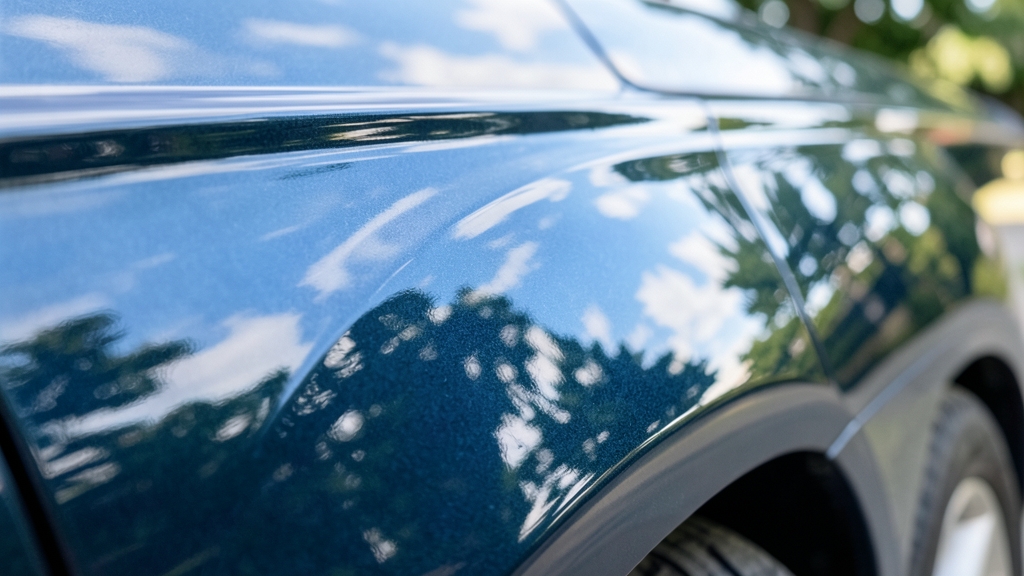
We hear the term 9H hardness tossed around like it’s the holy grail of paint protection. But for drivers in our area, where winter salt meets high-altitude sun, hardness is just the starting line. Real durability comes from how a coating bonds, sheds contaminants, and resists Colorado’s extreme swings.
What 9H Hardness Actually Means for Your Paint
The 9H rating refers to pencil hardness—how well a surface resists scratching from a 9H-grade pencil lead. It’s a lab benchmark, not a promise against rock chips or deep key scratches.
In real-world terms, 9H coatings resist light swirls from car washes and minor abrasions. But true defense against road debris often pairs ceramic with paint protection film for high-impact zones.
9H protects against light scratches, not intentional vandalism or large stones. For full coverage, consider PPF on front bumpers and hoods.
Why Commerce City’s Climate Demands More Than Hardness
Our high-altitude sun intensifies UV rays, accelerating paint oxidation and fading. A quality ceramic coating blocks 99%+ of UV, preserving gloss and color depth longer than wax or sealants.
Winter brings salt, magnesium chloride, and sand—all of which etch unprotected clear coat. Ceramic’s hydrophobic layer repels these contaminants, reducing staining and corrosion risks.
Ceramic Coating vs. Wax vs. Sealant: The Longevity Gap
Wax lasts weeks, synthetic sealants months. A professional-grade ceramic coating bonds at the molecular level, lasting 2–5 years with proper care. That’s 10–20x longer protection.
| Product | Durability | UV Resistance | Hydrophobicity |
|---|---|---|---|
| Carnauba Wax | 4–8 weeks | Low | Moderate |
| Synthetic Sealant | 4–6 months | Moderate | High |
| Professional Ceramic Coating | 2–5 years | Very High | Very High |
| Paint Protection Film (PPF) | 5–10 years | Very High | High |
The Role of Paint Correction Before Coating
Applying ceramic over swirls or oxidation locks in imperfections. Our team always starts with paint correction—compounding and polishing—to restore clarity before the coating bonds.
This step is non-negotiable for showroom-level results. Skipping it means the coating amplifies flaws, not hides them.
Ceramic coatings won’t fix existing paint damage. Correction first, protection second—always.
Hydrophobicity: The Unsung Hero of Easy Maintenance
A coating’s water-beading isn’t just for looks. It means dirt, bird droppings, and bug splatter rinse off easier, reducing the need for harsh chemicals or aggressive washing.
In areas like Thornton or Brighton, where dust storms are common, this self-cleaning effect saves hours of detailing time.
Beyond the Paint: Wheels, Glass, and Interiors
Brake dust fuses to wheels at high temps, causing pitting. A ceramic wheel coating resists this, making cleaning a spray-and-rinse job. Caliper coatings add a custom look while preventing corrosion.
Ceramic window tint reduces heat and UV inside the cabin, while interior ceramic protection shields dash plastics from cracking under Colorado’s dry air.
Often-Overlooked Ceramic Applications
- Wheel faces and barrels
- Brake calipers (heat-resistant formulas)
- Windshield and side glass (hydrophobic tint)
- Leather/vinyl seats (UV and stain resistance)
- Headlights (restoration + anti-yellowing coating)
What Affects Ceramic Coating Costs in Our Area
Vehicle size, paint condition, and coating tier drive pricing. A compact sedan with minor swirls costs far less than a lifted truck needing full correction and multi-layer ceramic.
Add-ons like PPF for high-impact areas or ceramic tint for all windows also factor in. For an accurate estimate, request a quote—we’ll assess your ride’s specific needs.
Maintenance Tips to Maximize Your Coating’s Life
Wash with pH-neutral shampoo and microfiber mitts. Avoid automatic car washes with harsh brushes—they can prematurely wear the coating.
Reapply a ceramic boost spray every 6–12 months to refresh hydrophobicity. For heavy contamination, use a dedicated iron-removing pre-wash.
How to Prep Your Car for a Ceramic Coating
Proper prep ensures the coating bonds flawlessly and lasts.
- 1Deep Clean
Start with a thorough wash using a decontamination bar to remove embedded iron particles and tar. This step is critical for adhesion.
- 2Clay Bar Treatment
Use a clay bar or mitt to lift surface contaminants wax can’t remove. The paint should feel glass-smooth afterward.
- 3Paint Correction
Address swirls, scratches, or oxidation with compound and polish. The clearer the paint, the better the coating will look.
- 4Final Wipe-Down
Use an IPA (isopropyl alcohol) solution to remove any remaining oils or residues. This ensures a pristine surface for bonding.
- 5Controlled Environment
Apply the coating in a dust-free, temperature-controlled space. Humidity and dust can compromise the finish.
Frequently Asked Questions
Does a 9H ceramic coating prevent all scratches?
No. 9H resists light swirls and marring, but won’t stop rock chips or deep key scratches. For full protection, pair it with paint protection film on vulnerable areas.
How often should I reapply ceramic coating in Commerce City?
Professional-grade coatings last 2–5 years here, but annual maintenance sprays can extend hydrophobicity. Harsh winters may shorten lifespan slightly—inspect yearly.
Can I apply ceramic coating over existing wax or sealant?
No. Wax and sealants must be fully removed via clay and IPA wipe-down before coating. Residue prevents proper bonding and reduces durability.
Is ceramic coating worth it for older cars in Denver or Northglenn?
Absolutely, if the paint is in decent shape. Correction can restore older finishes, and ceramic will protect the revived surface far longer than traditional products.
Will ceramic coating make my car look glossier?
Yes—if applied over corrected paint. The coating enhances depth and clarity, but it won’t fix dull or oxidized paint on its own. Correction first is key.
Do you offer ceramic coating for fleet vehicles in Henderson or Brighton?
Yes. Fleet and commercial vehicles benefit hugely from ceramic’s durability and easy maintenance. We tailor packages for high-mileage or high-exposure rigs.