How to Test If Your Ceramic Coating in Commerce City Is Still Working in Ceramic Coating Commerce City, CO
Ceramic coatings don’t last forever, even in Commerce City’s dry climate. Over time, UV rays, road grime, and improper washing wear down that glass-like protection. We’ll show you how to verify if your coating is still performing—or if it’s time for a refresh or a full reapplication.
Why Ceramic Coatings Fade in Commerce City’s Climate
Colorado’s high-altitude sun bombards your paint with intense UV rays year-round. This accelerates oxidation and breaks down the SiO2 bonds in ceramic coatings faster than in milder climates.
Winter road salt and summer dust storms also etch microscopic imperfections into the surface. Even a 9H-rated coating loses hydrophobic properties if not maintained properly.
The Water Beading Test: Your First Check
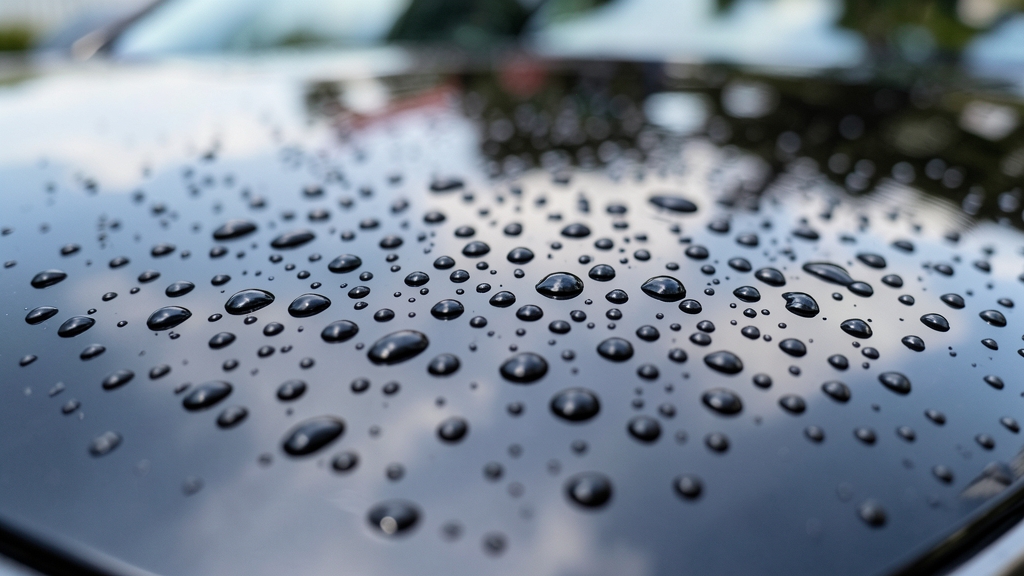
A healthy ceramic coating repels water in tight, high domes. Spritz a small section of your hood or roof with water from a spray bottle. If beads form quickly and roll off, your coating is active.
Flat, sheeting water or slow beading means the hydrophobic layer is weakening. This often happens first on horizontal surfaces like roofs and hoods, which take the most sun.
Test in the shade. Direct sunlight can cause water to evaporate too fast, masking poor beading.
The Slide Test: Finger Drag for Slickness
Run a clean, dry finger across a coated panel. A fresh ceramic coating feels almost frictionless. If you feel drag or resistance, contaminants or degraded coating are likely present.
Compare it to an uncoated area, like behind a door jamb. The difference should be noticeable if the coating is intact.
Visual Inspections: Gloss, Swirls, and Stains
Ceramic coatings enhance gloss and depth. If your paint looks dull or hazy, the coating may be compromised. Swirl marks or fine scratches can also indicate the top layer has worn thin.
Check for water spots or mineral deposits. These etch into the coating over time, especially if you park outside in Commerce City’s hard water areas.
Harsh automatic car washes with abrasive brushes can strip ceramic coatings prematurely. Stick to touchless or hand washes.
The Soap and Water Test for Hydrophobicity
Mix a few drops of pH-neutral car soap in a spray bottle with water. Apply it to a panel. On a strong coating, the soapy water should bead up and slide off easily.
If the soap solution sheets or leaves a film, the hydrophobic properties are fading. This is a more aggressive test than plain water, revealing weaker coatings.
Ceramic Coating vs. Wax vs. Sealant: How They Compare
Many drivers confuse ceramic coatings with traditional wax or synthetic sealants. The differences in durability, protection, and maintenance are significant.
| Feature | Ceramic Coating | Synthetic Sealant | Carnauba Wax |
|---|---|---|---|
| Durability | 2-5+ years | 4-6 months | 1-3 months |
| UV Protection | High | Moderate | Low |
| Hydrophobic Effect | Extreme | Good | Mild |
| Scratch Resistance | Moderate (9H hardness) | Minimal | None |
| Maintenance | Low (pH-neutral washes) | Moderate | High (frequent reapplication) |
When to Consider a Refresh or Full Reapplication
If multiple tests show weak hydrophobicity, increased drag, or dullness, a maintenance boost may help. We offer ceramic coating refreshers for vehicles in Thornton, Northglenn, and Brighton to extend life between full applications.
For severe fading, a full reapplication is the only solution. This often requires paint correction first to remove etched contaminants or swirls. Nearby areas like Henderson and Denver see similar wear patterns due to shared climate challenges.
Signs It’s Time for a Professional Inspection
- Water no longer beads tightly on any panel
- Paint feels rough or gritty after washing
- Visible oxidation or fading on horizontal surfaces
- Swirl marks or scratches are more noticeable
Maintenance Tips to Extend Your Coating’s Life
Wash your vehicle every 1-2 weeks with a pH-neutral shampoo. Avoid dish soaps or degreasers, which strip ceramic coatings.
Use a high-quality microfiber wash mitt and the two-bucket method to prevent swirls. Dry with a clean microfiber towel to avoid water spots.
Apply a ceramic-boosting spray every 3-6 months. These products replenish hydrophobic properties without requiring a full reapplication.
Commerce City’s dusty roads mean more frequent washes. Consider a ceramic coating for your wheels and brake calipers too—brake dust is highly abrasive.
How to Perform a Full Ceramic Coating Check in 5 Steps
Follow this simple process to assess your coating’s performance at home.
- 1Clean the Surface
Wash and dry the vehicle thoroughly. Any dirt or grime will skew your test results.
- 2Test Water Beading
Spray water on a horizontal panel. Observe the bead shape and how quickly it rolls off.
- 3Check Slickness
Drag a clean finger across the paint. A smooth, almost slippery feel indicates an intact coating.
- 4Inspect for Gloss and Swirls
Examine the paint under direct light. Look for dullness, swirls, or water spots that suggest coating degradation.
- 5Perform the Soap Test
Spray a pH-neutral soap solution on the panel. If it beads like water, your coating is still strong.
Frequently Asked Questions
How long does a ceramic coating last in Commerce City?
With proper maintenance, a professional-grade ceramic coating typically lasts 2-5 years in Commerce City. The intense sun and seasonal temperature swings can shorten this lifespan if the vehicle isn’t cared for. Regular washes and ceramic boosters help extend durability.
Can I apply a new ceramic coating over an old one?
No. A new coating won’t bond properly to a failing layer. We always remove the old coating through paint correction or polishing before applying a fresh layer. This ensures maximum adhesion and performance.
Why does my ceramic coating stop beading after a few months?
This is usually due to surface contamination from road grime, industrial fallout, or improper washing techniques. A thorough decontamination wash with iron-removing products can restore beading. If not, a ceramic booster may be needed.
Is ceramic coating worth it for Commerce City’s harsh winters?
Absolutely. Ceramic coatings provide a strong barrier against road salt, ice melt, and grime that accumulate during winter. They also make snow and ice easier to remove, reducing the risk of scratches from scraping.
What’s the difference between ceramic coating and paint protection film (PPF)?
Ceramic coatings are liquid applications that chemically bond to paint, offering UV protection, gloss, and hydrophobic properties. PPF is a physical urethane film that provides superior scratch and impact resistance. Many of our clients in Thornton and Northglenn combine both for ultimate protection.
How do I know if my vehicle needs paint correction before a new ceramic coating?
If your paint has visible swirls, scratches, oxidation, or water spots, paint correction is necessary. A ceramic coating will lock in these imperfections, making them permanent. We always inspect and correct the paint before applying a new coating.