Why Surface Prep Decides the Longevity of Your Ceramic Coating in Commerce City in Ceramic Coating Commerce City, CO
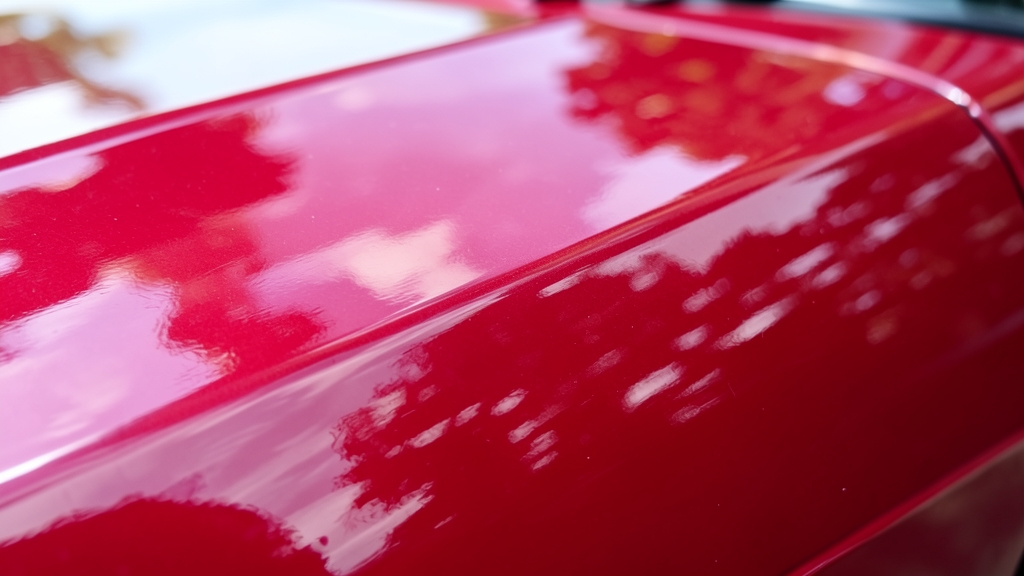
A ceramic coating is only as good as the surface beneath it. In Commerce City’s harsh climate—with UV exposure, road salt, and temperature swings—skipping prep work often leads to premature failure. We break down why meticulous surface prep is the foundation of a coating that lasts years, not months.
Surface Prep: The Non-Negotiable First Step
Ceramic coatings bond at a molecular level to your vehicle’s clear coat. If contaminants, oxidation, or imperfections remain, the coating adheres to those flaws—not the paint. This weakens durability and dulls the finish.
In Commerce City, where dust, pollen, and industrial fallout are constant, a thorough decontamination step isn’t optional. It’s the difference between a coating that sheds water like a mirror and one that peels in a year.
Applying ceramic coating over swirl marks, scratches, or faded paint locks in those defects permanently. Paint correction must come first.
The 5-Stage Prep Process We Use on Every Vehicle
First, we perform a deep clean with pH-neutral shampoo to strip wax, sealants, and grime. This resets the surface to a blank slate, ensuring no residues interfere with adhesion.
Next, a clay bar treatment lifts embedded contaminants like tar, brake dust, and rail dust—common culprits on Commerce City roads. This step restores a glass-smooth surface.
Iron remover sprays then dissolve microscopic iron particles from brake pads and rail systems. Left untreated, these cause rust spots under the coating.
Paint Correction: Fixing Imperfections Before Coating
Even new cars often have swirl marks from dealership washes or minor scratches. We use dual-action polishers and fine abrasives to level the clear coat, removing defects without compromising paint thickness.
For deeper scratches or oxidation—common on older vehicles in Thornton or Brighton—we may need multi-stage correction. This ensures the coating bonds to a flawless, reflective surface.
A paint thickness gauge guides our work, preventing over-polishing. Commerce City’s high-altitude sun accelerates clear coat degradation, so precision here is critical.
Decontamination vs. Correction: What’s the Difference?
Decontamination removes surface-level grime and embedded particles. Correction addresses physical defects in the paint itself, like scratches or oxidation.
| Aspect | Decontamination | Paint Correction |
|---|---|---|
| Purpose | Removes bonded contaminants | Repairs paint defects |
| Tools/Products | Clay bar, iron remover, degreaser | Polishing compounds, DA polisher, pads |
| Impact on Coating | Prevents adhesion failure | Ensures a flawless, reflective base |
| Frequency Needed | Before every coating application | Only if swirls, scratches, or oxidation exist |
Commerce City-Specific Challenges and Solutions
Our climate throws everything at your paint: intense UV rays, hail, and winter road salt. Without proper prep, these elements degrade the coating faster.
For vehicles in Henderson or Denver, we often recommend a two-step process: paint correction followed by a ceramic coating with added UV inhibitors. This combo resists fading and oxidation longer.
Wheel and brake caliper ceramic coatings are also popular here. Brake dust and road grime stick aggressively in our dry air, but a coated wheel stays cleaner and resists corrosion.
If your car sits outside in Commerce City’s sun, opt for a coating with high UV resistance. Pair it with Paint Protection Film on high-impact areas like the hood and bumper for maximum defense.
Common Prep Mistakes That Ruin Ceramic Coatings
DIYers often skip the iron remover step, leaving invisible particles that cause coating failure. Another mistake? Using harsh cleaners that strip the paint of natural oils, leading to poor adhesion.
Rushing the drying process is another culprit. Water spots or residual moisture trapped under the coating create bubbles or hazing. We use blowers and microfiber towels to ensure a bone-dry surface.
Finally, applying coating in direct sunlight or high humidity—common in Colorado summers—can cause uneven curing. We always work in a controlled environment.
What to Expect After Proper Prep and Coating
A properly prepped and coated vehicle in Commerce City will bead water so aggressively that dirt slides off with rain. The hydrophobic effect lasts years, not weeks.
Glass, wheels, and even headlights can be coated for uniform protection. Headlight restoration followed by a ceramic coating keeps lenses clear and yellowing-free, a must for night driving on I-25.
Maintenance becomes easier, too. Weekly washes with pH-neutral soap preserve the coating’s integrity, and annual inspections catch any areas needing touch-ups.
Post-Coating Care Essentials
- Wash with pH-neutral car shampoo only
- Avoid automatic car washes with harsh brushes
- Dry with a clean microfiber towel to prevent water spots
- Apply a ceramic-boosting spray every 6 months (optional)
- Inspect for chips or scratches annually
How to Check if Your Vehicle Needs Paint Correction Before Coating
Not sure if your paint is ready for a ceramic coating? Follow these steps to assess its condition.
- 1Wash and Dry Thoroughly
Start with a deep clean using a high-quality car shampoo. Dry the surface completely with a microfiber towel to reveal true paint condition.
- 2Inspect Under Direct Light
Park in sunlight or under bright LED lights. Look for swirl marks, scratches, or oxidation. Run your fingers lightly over the paint—feel for roughness or imperfections.
- 3Test with a Clay Bar
Rub a clay bar (with lubricant) over a small section. If it picks up grit or leaves a smooth finish, your paint needs decontamination. If defects remain, correction is necessary.
- 4Check for Fading or Holograms
Compare different panels for color consistency. Faded or dull areas indicate oxidation. Holograms (fine, circular scratches) from improper polishing also require correction.
- 5Consult a Professional
If you’re unsure, our team in Commerce City can perform a paint thickness reading and detailed inspection. We’ll recommend the right prep steps for a flawless coating application.
Frequently Asked Questions
How long does surface prep take for a ceramic coating in Commerce City?
Prep time varies by vehicle size and condition. A standard sedan with minor swirls may take 4-6 hours for decontamination and single-stage correction. Heavily oxidized or scratched vehicles can require 8-12 hours. We always prioritize thoroughness over speed.
Can I apply a ceramic coating over existing wax or sealant?
No. Wax and sealants create a barrier that prevents the ceramic coating from bonding to the paint. We strip all previous products during prep to ensure a clean surface. This is non-negotiable for longevity.
Why do some ceramic coatings fail prematurely in Colorado’s climate?
Most failures stem from poor prep or incorrect application. Commerce City’s UV exposure and temperature swings accelerate degradation if the surface isn’t perfectly clean and corrected. Using a low-quality coating or skipping decontamination are common culprits.
Is paint correction necessary for a brand-new car before ceramic coating?
Often, yes. Dealerships frequently use harsh cleaning methods that leave swirl marks. Even new paint can have minor defects from transport or assembly. We inspect every vehicle—whether from Thornton, Northglenn, or Denver—to determine if correction is needed.
Does ceramic coating eliminate the need for Paint Protection Film (PPF)?
No, they serve different purposes. Ceramic coatings enhance gloss and hydrophobic properties, while PPF provides a physical barrier against rock chips and scratches. Many Commerce City drivers combine both for ultimate protection.
How often should I reapply ceramic coating in Commerce City?
With proper prep and maintenance, a professional-grade ceramic coating lasts 3-5 years. Harsh conditions or improper care may shorten this. We offer inspections to assess your coating’s condition and recommend touch-ups or reapplication as needed.