Why Ceramic Coatings Fail to Bond on Cars in Commerce City — And How We Fix It in Ceramic Coating Commerce City, CO
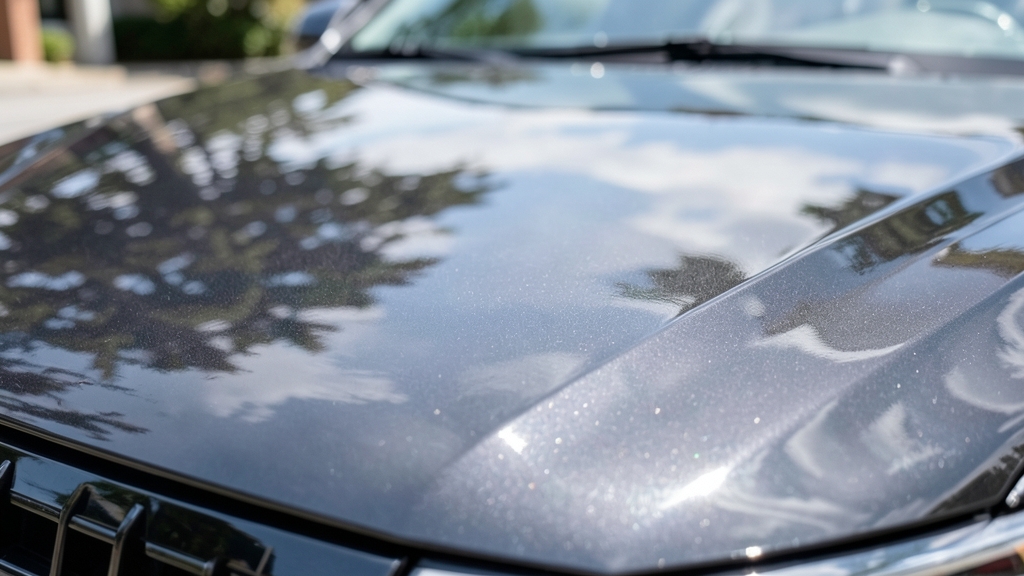
Ceramic coatings promise years of gloss and protection, but bonding failures leave Commerce City drivers with peeling, hazing, or premature wear. We see it often after DIY attempts or rushed prep in our dry, dusty climate. The fix starts long before the first drop of coating touches your paint.
What Bonding Failure Actually Looks Like on a Ceramic Coating
Bonding failure isn’t always obvious at first. Early signs include water beading unevenly or a patchy, streaky finish that wasn’t there after application.
More severe cases show peeling edges, especially around body lines or trim. In Commerce City’s intense sun, UV can accelerate delamination if the base layer never fully adhered.
You might also notice reduced hydrophobicity—water sheets instead of beading—meaning the top layer is breaking down because the foundation failed.
Hard water spots can look like coating defects. True bonding failure won’t wash off; mineral deposits usually will with a detailer’s clay or light polish.
The Top 5 Causes of Ceramic Coating Adhesion Problems
Improper surface prep is the leading culprit. Even microscopic oils, waxes, or old sealants prevent the coating from chemically bonding to the clear coat.
Insufficient paint correction leaves swirls and oxidation. Ceramic coatings amplify imperfections; they don’t hide them. A rough surface reduces contact area for adhesion.
High humidity or low temps during application slow curing. In Commerce City, our dry air helps, but winter installations in unheated garages can cause issues.
Applying too thick a layer prevents proper cross-linking. More product doesn’t mean better protection—it often means a weaker bond and longer cure times.
Contaminated applicators or towels introduce silicones or fillers. One rogue fiber can create a weak point that spreads under stress.
Commerce City’s Climate: How It Affects Coating Longevity
Our high-altitude sun and temperature swings stress coatings faster than in milder climates. UV breaks down uncured layers, while thermal expansion can pop poorly adhered sections.
Dust and pollen are constant here. If the surface isn’t perfectly clean before coating, these particles get trapped, creating micro-gaps where moisture and salt can seep underneath.
Winter road grime and magnesium chloride are brutal. Without a fully bonded coating, these contaminants lift the layer from the edges inward.
Prep Work: The Non-Negotiable Steps Before Any Ceramic Coating
We start with a thorough decontamination wash using pH-neutral shampoo and iron-removing pre-sprays. This pulls embedded brake dust and industrial fallout from the paint.
A clay bar or synthetic clay mitt lifts surface contaminants that washing misses. Skipping this step is like painting over dirty primer.
Next, a two-step polish corrects paint defects. This isn’t just for looks—it ensures a smooth, uniform surface for optimal adhesion.
Final wipe-down with IPA (isopropyl alcohol) removes any remaining oils or polish residues. The surface must be surgically clean.
Pre-Ceramic Coating Surface Prep Checklist
- Two-bucket wash with grit guards
- Iron remover spray application
- Clay bar decontamination (lubricated)
- Paint thickness measurement (to avoid over-polishing)
- Two-stage polish (compound + fine polish)
- Final IPA wipe-down (50%+ concentration)
Ceramic Coating vs. Wax vs. Sealant: Bonding Strength Compared
Ceramic coatings form a semi-permanent chemical bond with the clear coat, creating a hydrophobic layer that can last years. Waxes and sealants sit on top, offering temporary protection.
Waxes, typically carnauba-based, last weeks to months and provide warm depth but minimal UV or chemical resistance. They’re the easiest to apply—and the easiest to fail.
Synthetic sealants bond slightly better than waxes but still lack the durability and hardness of a true ceramic. They’re a middle ground, often used as a booster over coatings.
| Product | Bond Type | Durability | Hydrophobicity | UV Resistance |
|---|---|---|---|---|
| Ceramic Coating | Chemical (SiO2 cross-link) | 2-5+ years | Extreme (9H hardness) | High |
| Synthetic Sealant | Mild chemical | 6-12 months | Moderate | Moderate |
| Carnauba Wax | Physical | 4-8 weeks | Low-Moderate | Low |
We work in a controlled environment—no dust, stable temperature. For mobile jobs, we use pop-up tents with HEPA filtration to replicate shop conditions.
Application is done in small sections, using a high-quality foam applicator. Cross-hatching ensures even coverage without thick spots.
Each layer is allowed to flash for 1-5 minutes before buffing off excess. Rushing this step traps solvents that weaken the bond.
We often recommend a base layer of a primer or adhesion promoter for older or heavily corrected paint, especially on vehicles from Thornton or Northglenn with heavy oxidation.
If you’re coating at home, avoid applying in direct sunlight or on hot panels. The coating will flash too fast, leading to streaks and weak adhesion.
When to Consider Paint Protection Film Before Ceramic Coating
For high-impact areas like hoods, bumpers, and fenders, we often pair PPF with ceramic coatings. The film absorbs rock chips; the coating adds gloss and ease of cleaning.
PPF itself requires perfect adhesion. If installed improperly, it can lift and take the ceramic coating with it. That’s why we always prep the surface as meticulously for PPF as we do for coatings.
Drivers in Brighton or Henderson with long highway commutes benefit most from this combo. PPF handles the abuse; the ceramic coating keeps the rest of the car looking pristine.
Maintenance Mistakes That Can Compromise Your Coating’s Bond
Using harsh detergents or automatic car washes with abrasive brushes can strip away the top layer of the coating over time, exposing weaker layers beneath.
Parking under trees or near sprinklers introduces sap, bird droppings, or mineral deposits. Left too long, these etch the coating and create entry points for moisture.
Waxing over a ceramic coating seems redundant, but some detailers do it for extra shine. This can leave a residue layer that interferes with the coating’s self-cleaning properties and reapplication down the line.
How to Test if Your Ceramic Coating Is Properly Bonded
A simple at-home check can reveal early signs of bonding issues before they become costly problems.
- 1Water Bead Test
Spray a fine mist of water on a clean, dry panel. Properly bonded ceramic coatings will bead tightly and roll off. If water sheets or leaves streaks, the bond may be failing.
- 2Tape Test
Apply a piece of painter’s tape to the coated surface and pull it off sharply. A well-bonded coating won’t peel. If any coating comes off with the tape, adhesion is compromised.
- 3Visual Inspection Under Light
Use a bright LED light at an angle to check for hazing or uneven texture. Bonding failures often create a dull or patchy appearance, especially near edges or body lines.
- 4Finger Swipe Test
After washing, run a clean, dry finger lightly over the surface. A properly bonded coating will feel glass-smooth. Roughness or drag indicates contamination or delamination.
- 5Check for Edge Lifting
Inspect areas around emblems, trim, and seams. These are high-stress zones where bonding failures start. Lifting or peeling here is a red flag.
Frequently Asked Questions
Can a ceramic coating bonding failure be repaired, or does the whole coating need to be removed?
Minor failures can sometimes be spot-repaired by lightly polishing the affected area and reapplying a fresh layer. However, widespread delamination usually requires full removal and reapplication. We assess each case individually for Commerce City vehicles.
How does Commerce City’s altitude affect ceramic coating curing times?
Higher altitude means thinner air and stronger UV, which can speed up surface curing but may slow the deeper cross-linking process. We adjust cure times and often use IR lamps to ensure full bonding in our climate.
Is it safe to apply a ceramic coating over existing wax or sealant?
No. Waxes and sealants must be fully removed before applying a ceramic coating. Any residual product will prevent proper adhesion, leading to premature failure. A thorough decontamination and prep are mandatory.
Why do some detailers in Denver or Thornton charge less for ceramic coatings?
Lower prices often reflect rushed prep, thinner layers, or lower-grade products. Proper bonding requires time, skill, and quality materials. In Commerce City, we prioritize longevity over speed, which is why we emphasize prep and controlled application.
Can I apply a ceramic coating myself, or should I hire a pro in Ceramic Coating Commerce City?
DIY is possible, but the margin for error is small. Surface prep, environmental control, and application technique are critical. For most Commerce City car owners, hiring a pro ensures the coating bonds correctly and lasts as long as promised.
Does ceramic coating adhesion differ between new cars and older vehicles?
Yes. New cars often have factory sealants or protective films that must be removed. Older vehicles may have oxidized paint or previous coatings that require more aggressive correction. We tailor our prep process to the car’s age and condition.